

A TeaLamp book review of The Wind in the Willows by Kenneth Grahame (1908), a public-domain classic; short quotations are taken from the Project Gutenberg edition. Prepared by the TeaLamp Editorial Team with the help of AI.
Few books feel as much like a pot of tea on a quiet afternoon as Kenneth Grahame’s riverside tale. In this Wind in the Willows review, we look at what the 1908 classic offers today: four unlikely friends, a river that sparkles on every page, and a reckless Toad who cannot resist a motor car. It began as bedtime stories for a small boy, and it still reads beautifully aloud.
Key takeaways from our Wind in the Willows review
- A gentle, episodic story about friendship, home and the pleasure of simple days outdoors.
- Two strands run side by side: quiet riverbank chapters and lively, comic adventures starring Toad.
- The prose is rich and descriptive, so it rewards slow reading and reading aloud.
- Best for families, nature lovers and anyone who enjoys cozy, timeless storytelling.
From bedtime stories to a book
Kenneth Grahame (1859–1932) had two careers. By day he worked at the Bank of England, where he rose to become Secretary in 1898. In his spare time he wrote essays and stories about childhood. According to his family’s account, the tale of Toad began around 1904 as bedtime stories for his young son, Alastair. In the summer of 1907, when the two were apart, Grahame continued the adventures in a series of letters. Those letters are now kept at the Bodleian Libraries in Oxford.
Grahame retired from the bank in 1908, and The Wind in the Willows was published in London that autumn. It became one of the best-loved children’s books in English, inspired stage plays and films, and has never gone out of print.
What the story is about
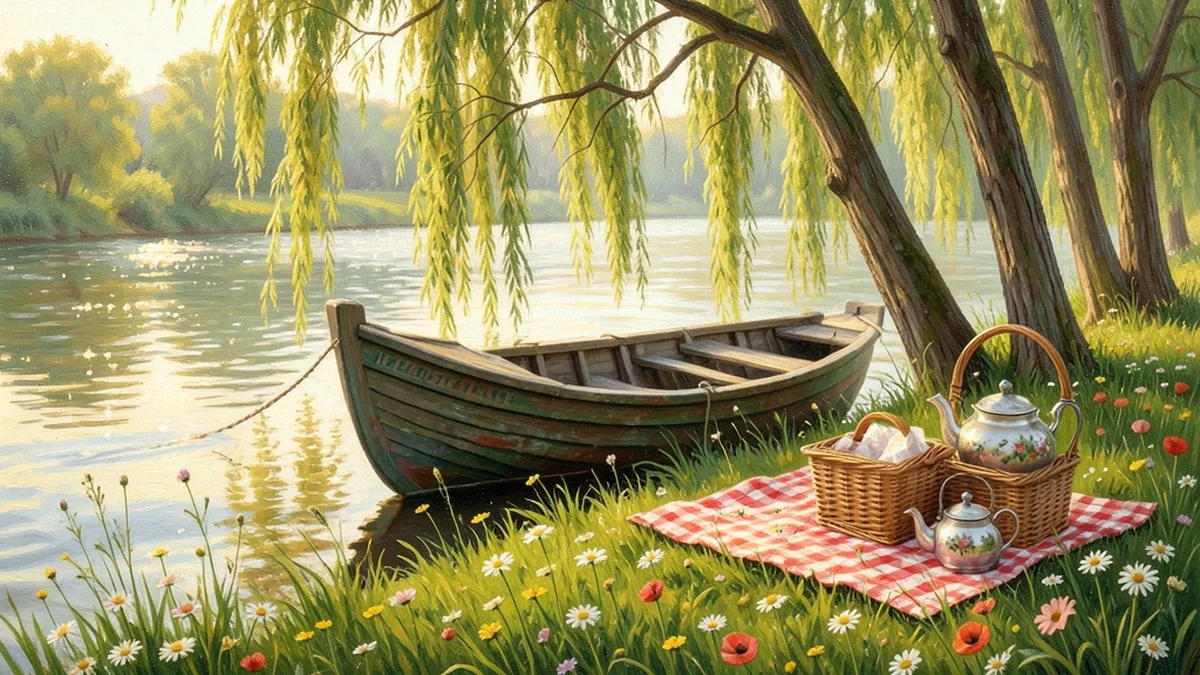
The book opens on a spring morning. Mole, tired of cleaning his underground home, throws down his brush and wanders up into the sunshine. At the river he meets Water Rat, who takes him out in his little boat and introduces him to a whole new world. Rat sums up his philosophy in one of the book’s most quoted lines: “Believe me, my young friend, there is nothing—absolute nothing—half so much worth doing as simply messing about in boats.”
Through Rat, Mole meets two more neighbours. Badger is gruff, wise and fond of his privacy, living deep in the Wild Wood. Toad is rich, generous, boastful and endlessly enthusiastic about whatever has caught his fancy, first boating, then a horse-drawn caravan, and finally motor cars. When a speeding car runs the caravan into a ditch, Toad does not mind at all. He sits in the road, dazed and delighted, murmuring “Poop-poop!” From then on, his craze for cars leads him into one scrape after another, and his friends must decide how to rescue him from himself.
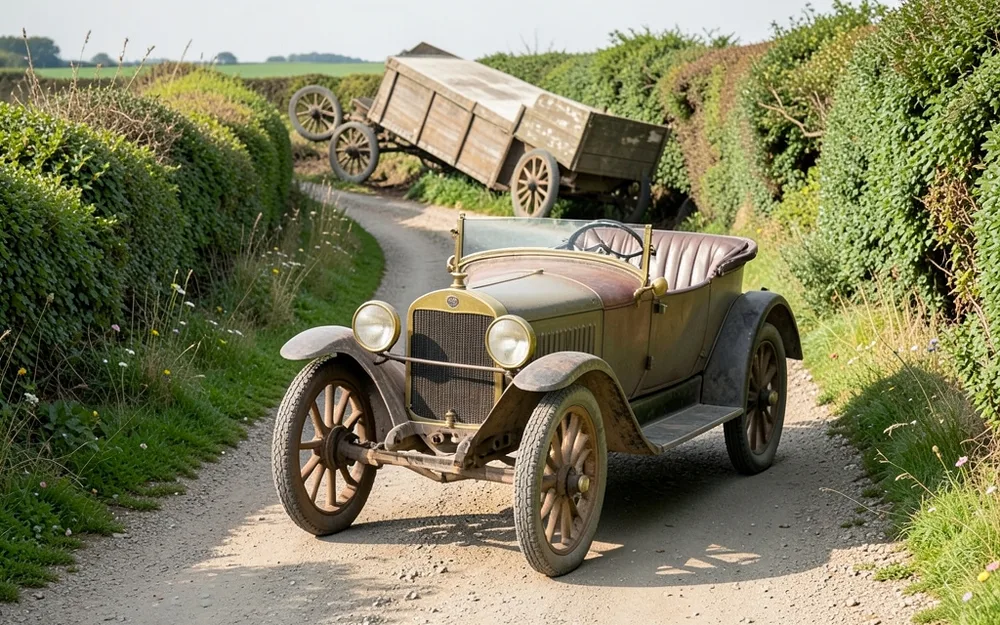
Toad’s great craze: the early motor car. Image generated by AI.
Two moods in one book
One of the book’s most distinctive features is its shape. The twelve chapters move between two quite different moods.
The riverbank chapters
Some chapters are slow, lyrical and reflective. Mole gets lost in the snowy Wild Wood and finds shelter with Badger. In “Dulce Domum”, he catches the scent of his old, neglected home and feels a powerful pull to return. Rat, in a later chapter, feels the opposite tug, a longing to travel south with the swallows. These chapters are about the comforts of home, the seasons and the quiet bonds between friends.
The Toad chapters
Other chapters are pure comedy. Toad’s adventures take him through disguises, a daring escape and a wild chase, with plenty of boasting along the way. Grahame’s letters to his son focused largely on Toad, and these parts keep that playful, bedtime-story energy. Younger listeners often love them most.
Readers who prefer one strand may find the other slower, and that is part of the book’s design: it offers both a lively story and a calm, almost poetic one.
Strengths and who it suits
The great strength of The Wind in the Willows is its atmosphere. Grahame describes picnics, firelit kitchens, winter evenings and summer rivers with such warmth that readers can almost smell the toast. The four friends are clearly drawn and easy to remember, and their loyalty to one another is the heart of the book.
The language is old-fashioned and generous, with long sentences and some Edwardian vocabulary. That makes it a wonderful book to share aloud, with an adult reading and a child listening. Confident older children can read it alone, and many adults return to it for its gentle humour and nostalgia.
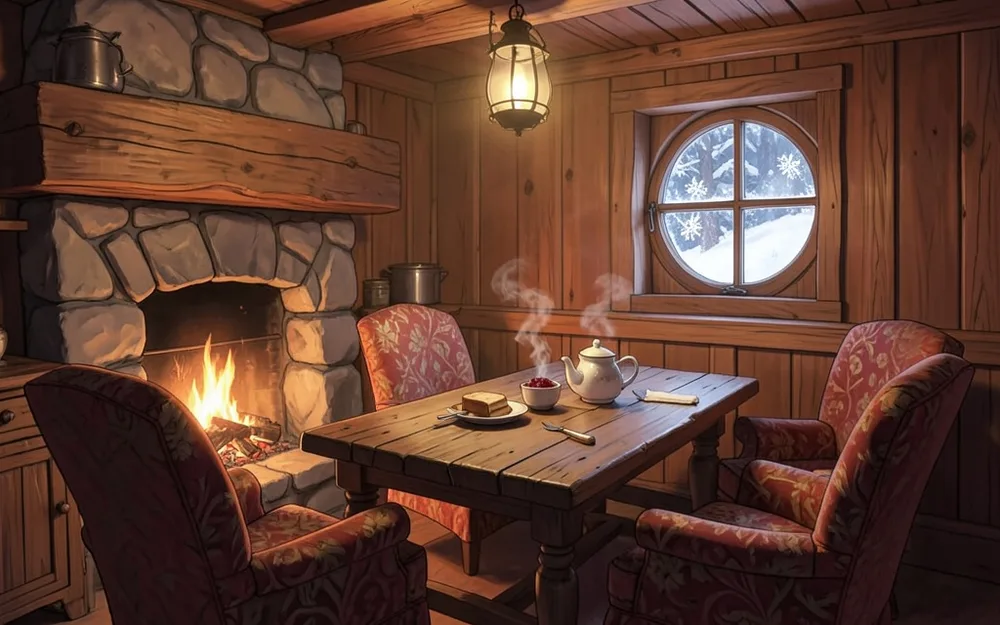
Firelit comfort, the heart of the riverbank tales. Image generated by AI.
It is best suited to:
- families looking for a classic read-aloud at bedtime;
- readers who love nature writing, rivers and the English countryside;
- anyone who enjoys episodic stories that can be read one chapter at a time;
- fans of cozy fiction where friendship and home matter most.
Why it matters
More than a century after it first appeared, The Wind in the Willows still shapes how many people imagine the countryside: a place of boats, burrows, picnics and good company. It shows that a children’s book can also speak to adults about restlessness, belonging and the joy of coming home. Because it is in the public domain, it is also easy to find in free editions, so anyone can start reading today.
Related reading
If you enjoy slow, nature-filled reading, try our list of classic nature books to read over tea. For another adventure from the same era of British storytelling, see our Treasure Island summary.
Sources
- Kenneth Grahame, The Wind in the Willows on Project Gutenberg (public domain in the USA)
- English Heritage, Kenneth Grahame blue plaque biography
- Bodleian Archives & Manuscripts, Grahame’s letters to his son, 1907
- The National Archives, Kenneth Grahame (1859–1932), Secretary of the Bank of England







0 Comments