


Originally published by Zion A. Eberhart and Markus D. Boos in Frontiers for Young Minds on October 26, 2026, under a Creative Commons Attribution 4.0 licence. Adapted here under that licence: condensed and restructured, with added context on heat, ticks and sun safety, and with the original figures and photographs not reused. Frontiers for Young Minds and the authors do not endorse TeaLamp. Prepared by the TeaLamp Editorial Team with the help of AI.
Most of us think of skin as a simple covering, but it is a busy, living organ. It cools us when we sweat, senses the world through touch, and carries immune cells that fight off infection. That is why children’s skin health is now part of the climate story: as summers grow hotter, rainfall turns heavier and wildfire smoke drifts further, the skin is one of the first places where a changing climate shows up.
Key takeaways on children’s skin health
- Skin does far more than cover the body: it regulates temperature, senses touch and helps fight infection.
- Children face extra risk in heat because their bodies heat up faster during play and they may not notice thirst.
- Warmer, wetter weather helps ticks and mosquitoes reach new places, raising the chance of itchy bites and skin infections.
- Polluted air and wildfire smoke can weaken the skin’s barrier and set off flare-ups of eczema, acne and psoriasis.
- Simple habits help: sunscreen, shade, hats, water and a daily wash, plus a thick moisturiser after cleansing.
Skin is an active organ, not a wrapper
Healthy skin keeps water in and germs out. Sweat glands release heat, tiny nerve endings report pressure and temperature, and immune cells stand guard just below the surface. When that barrier is damaged by sunburn, dryness or pollution, germs and irritants get in more easily, and the skin has to work harder to repair itself.
Climate change strains that system from several directions at once. Heat makes sweating and cooling more urgent. Stronger sun raises the risk of burns. Dirtier air irritates the surface. Floodwater can carry bacteria into small cuts. None of these effects acts alone, and children, who spend more time playing outdoors, meet more of them than most adults do.
Heat is harder on young bodies
Children produce more heat than adults when they are active, and they adjust to hot weather more slowly. They also sweat less, begin sweating at a higher body temperature, and are less likely to stop playing to drink. That combination makes heat cramps and heat exhaustion a real risk on hot days, especially for young athletes who train hard in the sun.
Sunburn adds to the problem. A burn damages the outer layer of skin, leaves it hot, red and painful, and makes sweating less effective, so the body cools down more slowly. Repeated sunburns in childhood also raise the risk of skin cancer later in life, which is why sun habits built early matter so much.
There is one reassuring nuance worth knowing. A 2026 review of heat studies found that children’s overall temperature control during exercise is similar to adults’ when they are well hydrated: children simply cool themselves differently, with more blood flow to the skin and less sweating. The practical lesson stays the same, and it is a hopeful one. Fluids, shade and rest breaks close most of the gap.
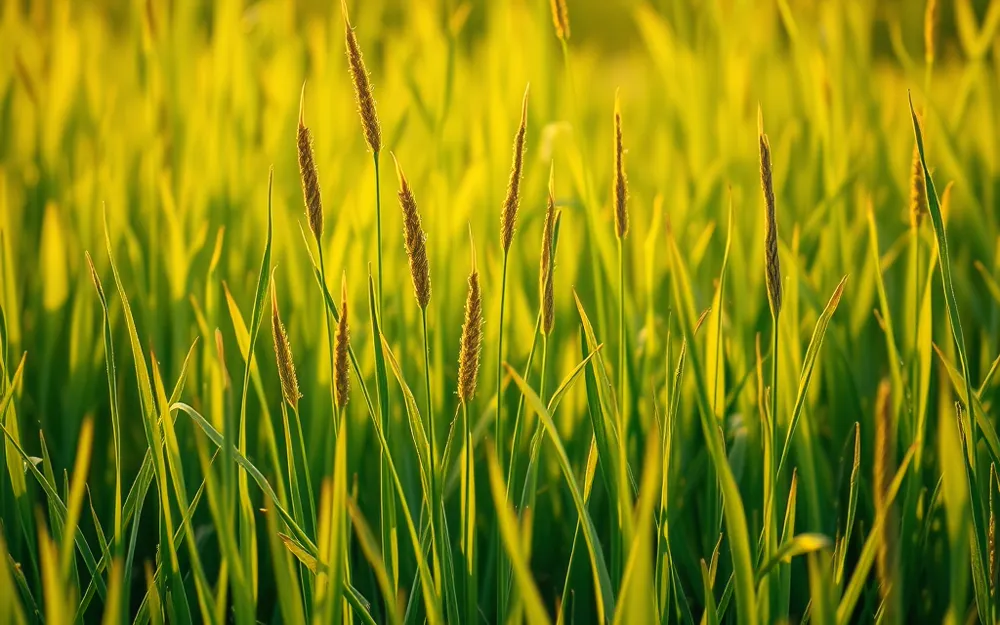
Tall grass in golden light, where ticks wait for passing hosts. Image generated by AI.
Warmer weather moves ticks and mosquitoes
As winters grow milder and summers longer, ticks survive in places that were once too cold for them, and they reproduce more often. A bite from an infected tick can pass on Lyme disease, caused by the bacterium Borrelia burgdorferi. Its early warning sign is a rash called erythema migrans, which often spreads outward into a pink or red ring with a clearer centre, the classic bull’s-eye shape. Not every case shows the ring, and the rash is usually neither painful nor itchy, so any expanding rash after a tick bite deserves a prompt check by a clinician.
Mosquitoes benefit from the same shift. Warmer, wetter conditions give them more places to breed and survive, which means more contact with people and more itchy, red, swollen bites. Covering up with long sleeves, trousers and a hat helps against both ticks and mosquitoes, and a quick check of skin and clothes after time in grass or woods catches ticks early.
Dirty air and floodwater irritate skin too
Burning coal, oil and gas releases fine particles and gases that settle on the skin. For people with acne, that pollution can raise oil production and bring on more breakouts. For people with psoriasis or eczema, it can weaken the skin’s barrier and stir the immune system into overdrive, leaving skin red, itchy and inflamed.
Wildfire smoke carries the same kind of irritants, and it can hang in the air for weeks. As hotter, drier conditions make large fires more common, smoke has become a regular skin irritant in regions far from any flame. At the other extreme, heavier rainfall and flooding expose skin directly to water mixed with sewage, chemicals and waste. Cuts from submerged objects can then become infected with bacteria such as Staphylococcus aureus and Streptococcus pyogenes, which can form painful abscesses if wounds are not cleaned properly.

A daily wash and a thick moisturiser help keep the skin’s barrier strong. Image generated by AI.
What children can do to protect their skin
The good news is that the most effective defences are simple, and they work for adults too. Use a broad-spectrum sunscreen with a sun protection factor of 30 or higher, and reapply it often, at least every couple of hours and after swimming or sweating. Stay out of direct sun between 10 in the morning and 4 in the afternoon, when ultraviolet rays are strongest. Wear long sleeves, trousers and a wide-brimmed hat, and seek shade whenever it is available.
Water matters as much as sunscreen. Sweating loses fluid, and replacing it helps the body stay cool and guards against heat illness. A daily wash removes dirt, sweat and pollutants before they can irritate the skin, and a thick barrier cream or ointment applied afterwards locks moisture in. These small routines are easy to keep, and they protect the skin’s barrier day after day.
If a rash spreads quickly, a wound looks infected, or a child shows signs of heatstroke such as confusion, vomiting or fainting, seek medical care promptly rather than waiting to see whether it passes.
Why it matters
Skin is where climate change becomes personal. A hotter summer is not an abstract forecast when it means a child’s sunburn, a tick bite on a camping trip, or an eczema flare during a week of smoky skies. Because children’s bodies are still developing, and because sun damage in childhood shapes risk for decades, small protective habits now pay off for a lifetime. The same habits also help everyone around them: shade, water and clean air are shared goods, and looking after them is a family project, not a chore.
Related reading
For another story about how the body’s smallest signals shape health, read How Cell Messages Could Change the Way We Treat Aging.
Frequently asked questions
What sunscreen should children use?
A broad-spectrum sunscreen with a sun protection factor of 30 or higher, applied generously before going outside and reapplied often, especially after swimming or sweating. Sunscreen works best together with shade and protective clothing, not instead of them.
What does a Lyme disease rash look like?
It often appears as an expanding pink or red circle, sometimes with a clearer centre that gives a bull’s-eye look. It usually shows up days to weeks after a tick bite and is rarely painful or itchy. Because not every case shows the ring, any expanding rash after a tick bite is worth showing to a clinician.
Can air pollution really worsen eczema?
Yes, according to the research the authors cite. Pollutants can weaken the skin’s protective barrier and trigger an overactive immune response, which can set off flare-ups of eczema, acne and psoriasis. Washing daily and moisturising afterwards helps remove pollutants and restore the barrier.
Sources
- Does Climate Change Affect Children’s Skin Health? Frontiers for Young Minds, October 26, 2026
- How to Prevent Heat Related Illness, Nationwide Children’s
- Lyme Disease Rashes, Minnesota Department of Health
- UV Safety: Stay Safe in the Sun, National Weather Service
- Children no more vulnerable to heat injury than adults when exercising, Brock University, July 2026









0 Comments