

Originally published by Mong Palatino in Global Voices (Rising Voices) on October 13, 2026, under a Creative Commons Attribution 3.0 licence (see the Global Voices attribution policy). Adapted here under that licence: condensed and restructured, with the editor’s interview answers summarised and briefly quoted, new headings, and TeaLamp key takeaways, context and FAQ added. Only a short excerpt of the poem is quoted, in English translation. The photograph from the original post was not reused. Global Voices and the interviewee do not endorse TeaLamp. Prepared by the TeaLamp Editorial Team with the help of AI.
A new anthology of Chabacano poetry, Sombra y Luz, gathers 23 poems by 10 writers in Asia’s only Spanish-based creole language. Speaking to Global Voices, its editor Jerome Herrera — creator of the Bien Chabacano blog — explains what the book is for, why its poems lean on Spanish, and why he hopes it will open up debate about how the language should be written.
Key takeaways on the Chabacano poetry anthology
- Chabacano is one of about 170 languages of the Philippines and is widely spoken in Zamboanga City, on Mindanao.
- Sombra y Luz (Shadow and Light) was launched in July 2026 with 23 poems by 10 authors.
- Its themes are mainly love, family and Zamboangueño identity.
- Most contributors used many Spanish words to sound formal and poetic — a choice Herrera accepts but wants to discuss.
- The biggest challenge, he says, is finding enough Chabacano poets to keep going.
What is Chabacano?
Spain ruled the Philippines for more than three centuries, but Spanish stayed largely the language of the colonial elite, friars and officials. Only in Zamboanga, in the far south, did a Spanish-based creole take root as an everyday language. Today it is often called Chavacano de Zamboanga; both spellings, Chavacano and Chabacano, are in use.
From a blog to a book
Herrera’s blog Bien Chabacano, which documents and promotes the language, was featured on Global Voices in 2018. In 2026 he invited writers to submit poems for an anthology, which became Sombra y Luz. He says the project shows that Chavacano is still alive “as a literary language” and that its speakers are creating new writing to preserve it.
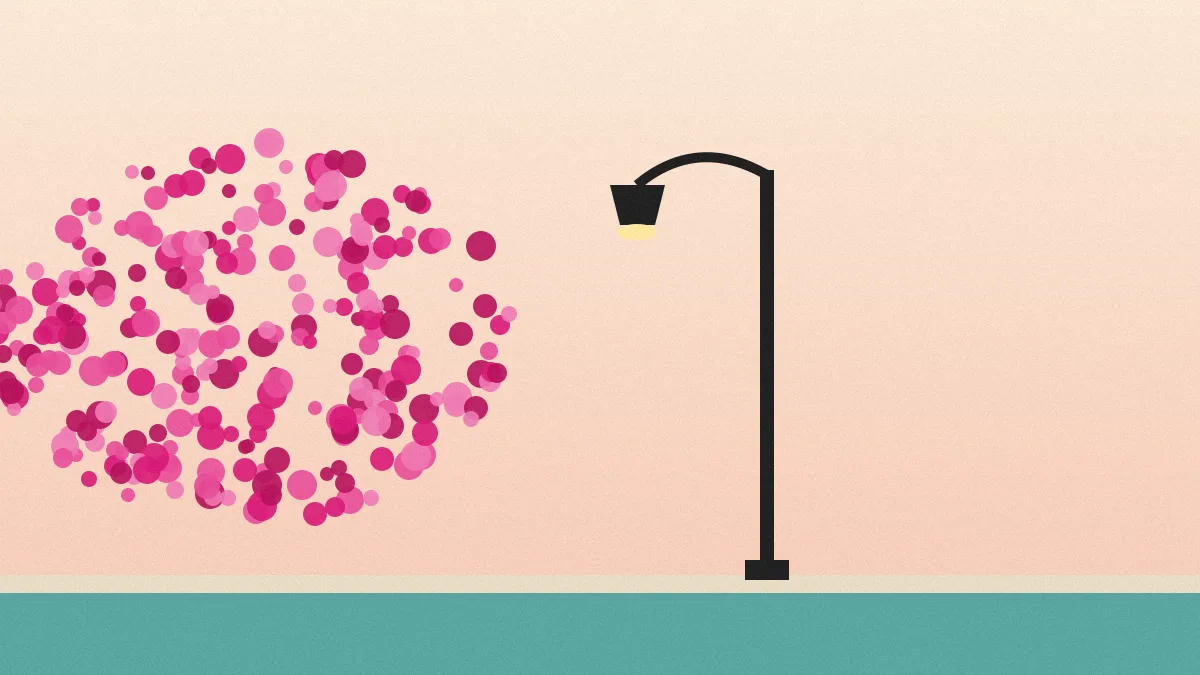
The title points to contrasts in a changing city. The cover shows an American-era lamppost of the kind found on the Zamboanga boulevard, framed by bougainvillea — a nostalgic nod to the days when Zamboanga was known as the Ciudad de Flores, the City of Flowers.
Image generated by AI
Birds, flowers and the City of Flowers
One poem by Jayline Gonzales-Barredo celebrates the birds and flowers of the city. In the English translation published with the original article, it begins: “Birds that fly and flutter freely, / Perched upon the branches of trees.” Later lines turn to night, when many birds can be seen “sitting on wires” above the streets.
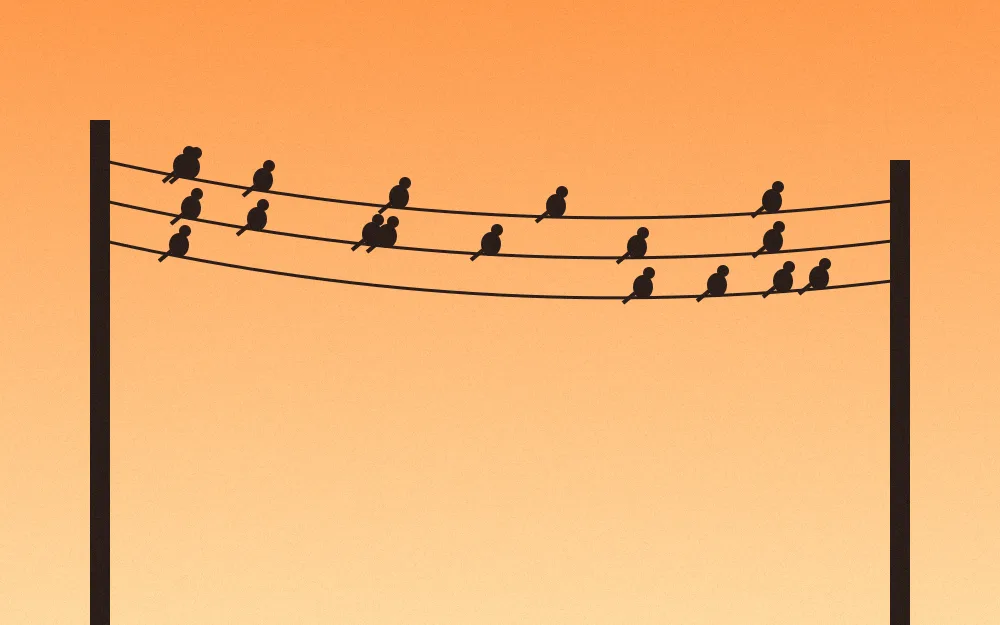
Image generated by AI
How Spanish should Chabacano poetry sound?
Herrera notes a long-running debate. Some readers want Chabacano poetry full of Spanish vocabulary; others want it to sound exactly like everyday speech. Most submissions leaned heavily on Spanish, which he thinks writers use to make their work feel more formal and poetic. Because this is poetry, he decided it was fine to present the language “in an idealistic manner.”
His wider aim is acceptance of many styles. For a long time, he says, people have been “putting Chabacano inside a box,” and he hopes the anthology starts conversations and makes readers open to different ways of writing it. A poem titled “Escribi Chavacano, Conversa Chabacano” makes the same point, using both spellings and calling on poems, essays, fables and elders’ stories to show a language that lives when it is written, spoken and shared.
Keeping the momentum
In a separate interview with Asymptote Journal, cited by Global Voices, Herrera said the hardest part is sustaining the project, since Chavacano poets are hard to find. He hopes this is only the beginning, with a second volume to follow.
Why it matters
Small languages survive when people use them for everything — including literature. A printed anthology gives Chabacano writers a shared platform, a record for future readers and a reason for others to write. The debate Herrera describes, between a literary register and everyday speech, is one that many minority and creole languages face as they move onto the page.
Related reading
For another TeaLamp interview about keeping a language alive, read Musah Fuseini: Dagbani Wikipedia and Language Activism. The original report, with the full poem in Chabacano and English, is on Global Voices.
Frequently asked questions
Where is Chabacano spoken?
Mainly in Zamboanga City in the southern Philippines, where it developed as Asia’s only Spanish-based creole language.
Who edited Sombra y Luz?
Jerome Herrera, creator of the Bien Chabacano blog, compiled the anthology, which was launched in July 2026.
Why are there two spellings, Chavacano and Chabacano?
Both spellings are accepted and used; the anthology’s poem “Escribi Chavacano, Conversa Chabacano” deliberately uses both.








0 Comments