


Originally published by Shawn Redd in LSE Business Review on October 15, 2026, under a Creative Commons licence (CC BY 4.0, per the LSE Blogs republishing policy). Republished here under that licence. LSE, the author and LSE Business Review are not contributors to TeaLamp and do not endorse it or its use of their work. Changes: condensed and restructured with TeaLamp Key takeaways, Why it matters, FAQ and related reading; section headings rewritten; Shutterstock featured image from the source was not reused. Prepared by the TeaLamp Editorial Team with the help of AI.
Key takeaways on service reviews and official records
- Star ratings on Google, Yelp and similar platforms are convenient — but they measure what customers notice, not what inspectors find.
- Shawn Redd’s research finds weak links between glowing reviews and government enforcement files for nursing homes, childcare and adventure aviation.
- Official records are compulsory, hard for businesses to edit and do not fade when new five-star posts arrive.
- The missing piece is infrastructure: joining fragmented public databases into reports people can read at the decision moment.
- Clean operators have an unused marketing asset; platforms that monetise listed businesses cannot lead with enforcement history.
Most of us still pick a nursing home, nursery or skydiving outfit with a glance at service reviews. Shawn Redd, writing in LSE Business Review, argues that this habit leaves a dangerous gap. The scores look like quality signals. They are often reputation-management outputs that say little about the official safety file.
Why service reviews miss what matters most
Reviews are voluntary, so the sample selects itself. They are experiential, so they track friendliness, cleanliness and waiting times. And they are managed: businesses solicit happy customers, answer critics and, in regulated sectors, may push complaints into private channels before a public post appears. A star average is best read as the product of that process — not as an inspector’s grade.
Government records work differently. In the United States, Medicare inspects certified nursing homes, publishes deficiencies and can levy civil money penalties. State agencies log childcare violations. Aviation operators must report accidents under federal rules that keep those files public and permanent. Participation is compulsory, the subject cannot rewrite the docket, and new praise does not erase an old finding.
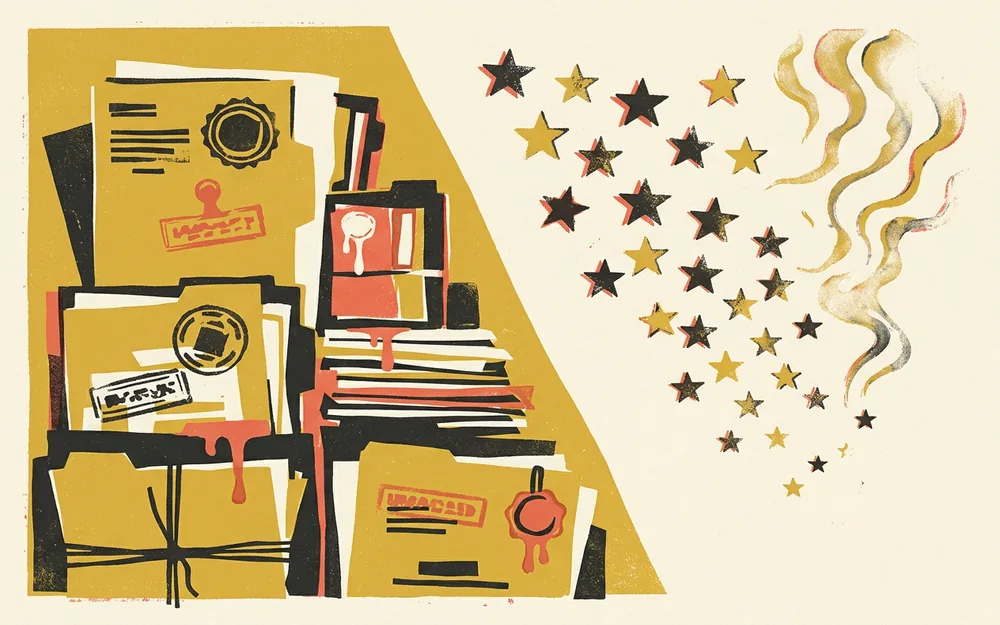
Image generated by AI
What the nursing-home and aviation data show
Redd’s zReports Research Institute matched the full federal file for 14,695 Medicare-certified nursing homes with their public Google reviews. Nearly half face federal civil money penalties; more than 99 per cent have at least one deficiency on record. Yet star distributions on review sites track that enforcement history only weakly. Homes with serious penalty records often look indistinguishable from cleaner neighbours.
The same split appears in adventure aviation. Matching thousands of air-tour, balloon and skydiving operators against nearly two thousand federal accident records showed a complete official file — and a nearly silent review surface. One highly rated operator kept a near-perfect score across hundreds of reviews; its fatal accident sat in the federal record and in none of the customer posts. Customers reviewed the trip they took. The risk a future customer needs lived in another channel.
Economists call this information asymmetry. Redd’s modern twist is that the corrective data is already public. It is fragmented across agencies that do not advertise to families. In childcare markets his team studied, fewer than 5 per cent of parents checked the state licensing record before choosing a provider. The failure is not missing information. It is missing assembly.
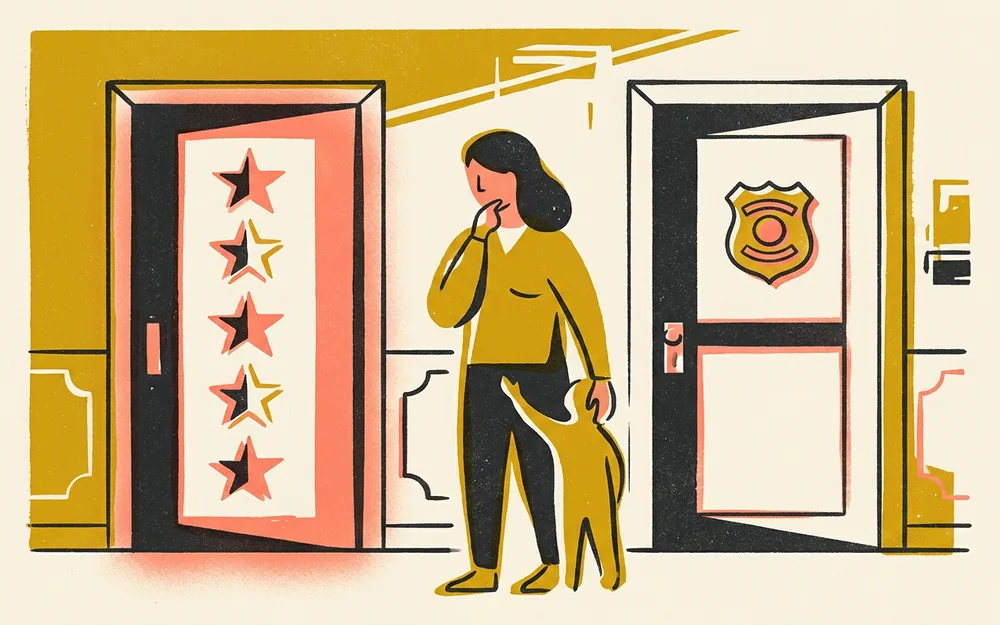
Image generated by AI
Building reports people can actually use
Used-car markets changed when fragmented title and accident filings became a single consumer report neither buyer nor seller could edit. Redd’s group built a free compiler that joins inspection, enforcement, licensing and accident records for about 166,000 regulated facilities under a fixed published rule. The design principle matters more than the brand: the tool must stay free to the consumer and closed to the rated business, or it collapses back into the review model.
- Clean operators hold verified credentials they rarely cite, because the records layer that would make those claims legible is only now emerging.
- Platforms and investors face a conflict: review sites monetise the businesses they list, so they cannot lead with enforcement history.
- Regulators often treat “online” as “disclosed.” Records protect people only when they arrive assembled and free at the moment of choice.
Why it matters
Families still place children, ageing parents and occasional high-risk leisure into markets where the easiest signal is a star score. Making official records legible does not replace reviews; it restores the layer reviews were never built to carry. For readers, the practical habit is simple: before a high-stakes service purchase, look for the inspection or accident file — not only the latest praise.
Related reading
For another TeaLamp piece on how firms misread noisy signals at the top, see AI Dashboards: Don’t Let Them Drive Corporate Strategy.
Frequently asked questions
Are service reviews useless?
No. They can capture experience quality. They are poorly suited to compulsory safety and enforcement facts that customers often never see.
Where should a parent look instead?
Start with the state licensing or inspection portal for childcare, Medicare Care Compare for nursing homes, and federal aviation accident databases for air tours — or any compiler that joins those files without input from the rated business.
Does this apply outside the United States?
Redd’s datasets are U.S.-focused, but the design lesson travels: wherever mandatory inspections exist, joining them for consumers beats relying on voluntary stars alone.










0 Comments