Type: Article8 min
Why Coffee Still Costs $9 After the Shortage Ended
Oct 21 | Business

Oct 21 | Business
Oct 21 | Book author: Mary Shelley
Oct 20 | Lifestyle
Oct 9
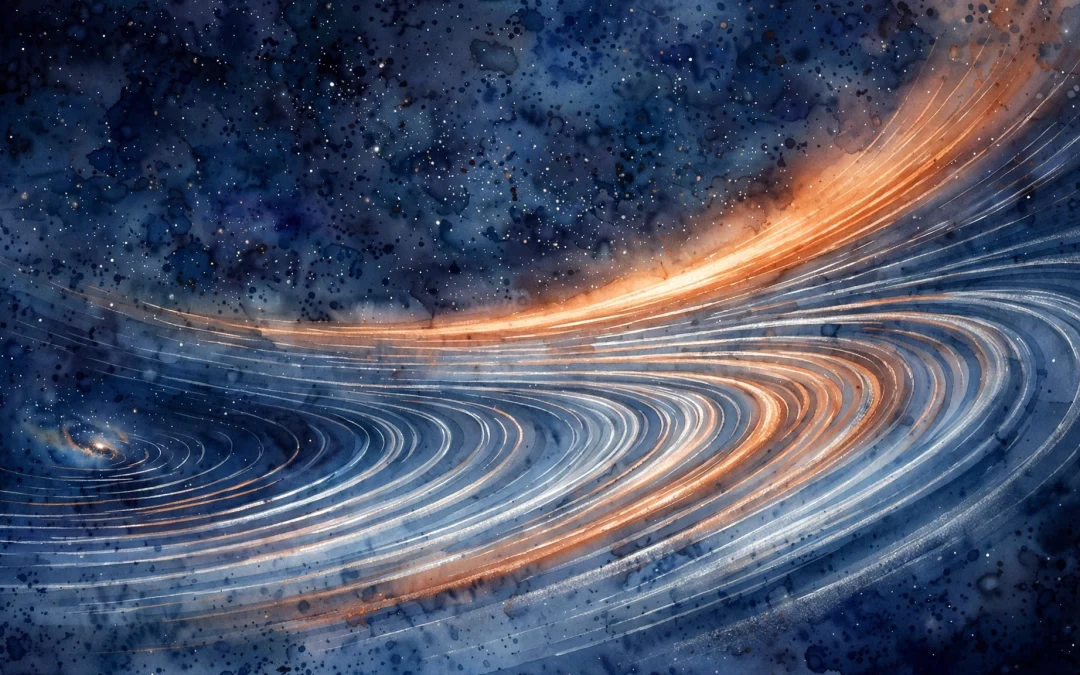
A millisecond flash of radio waves from 10 billion years ago is the most distant fast radio burst ever seen, and it lit up the invisible matter between galaxies.
Oct 8
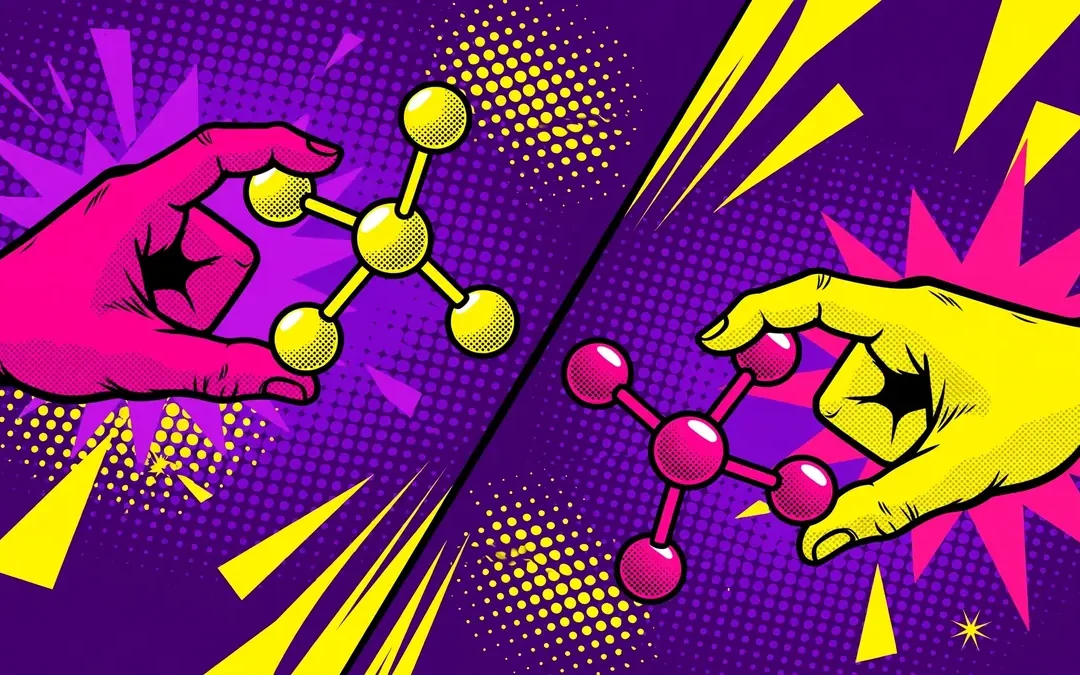
Your hands are mirror images. So are many molecules of life. The 2026 chemistry Nobel went to the two chemists who taught reactions to pick one.
Oct 7
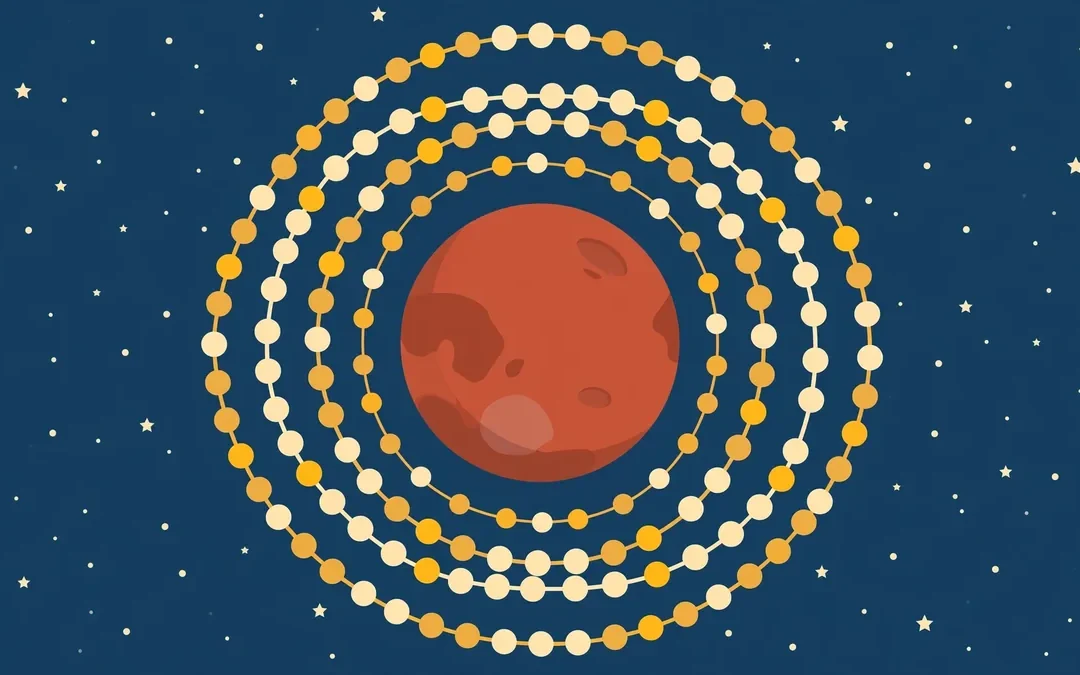
Curiosity found chain-like carbon molecules in a 3.7-billion-year-old lakebed. A 2026 study says non-biological sources cannot explain them all.
Oct 6
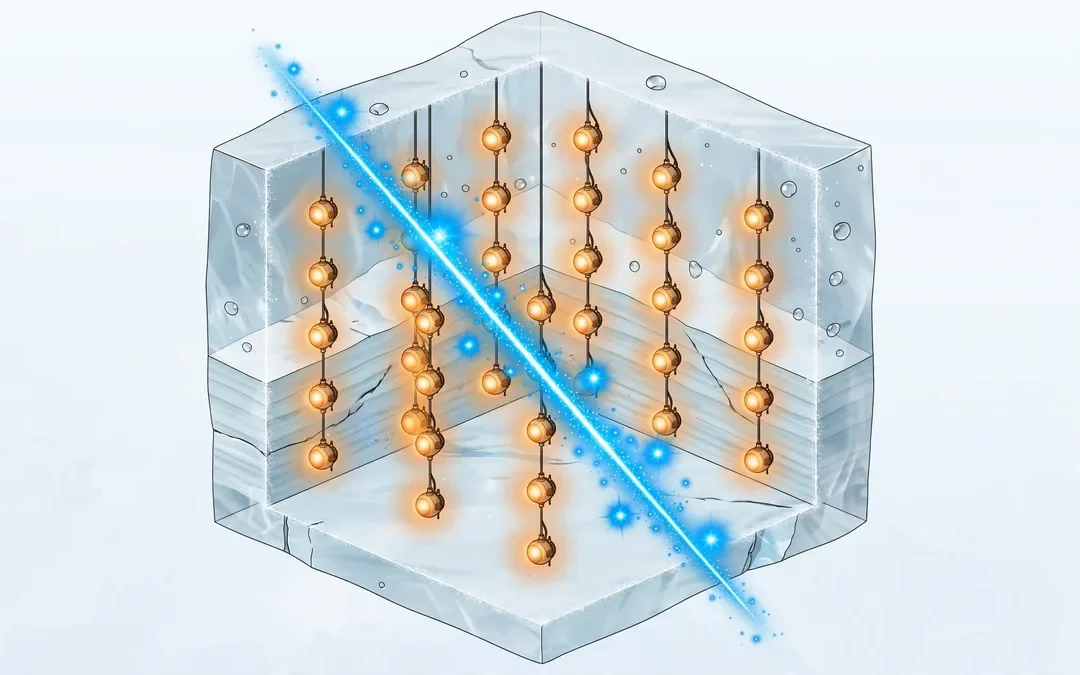
Neutrinos stream through your body by the trillions every second. The 2026 Nobel Prize in Physics honours the telescope that finally caught them.
Oct 5
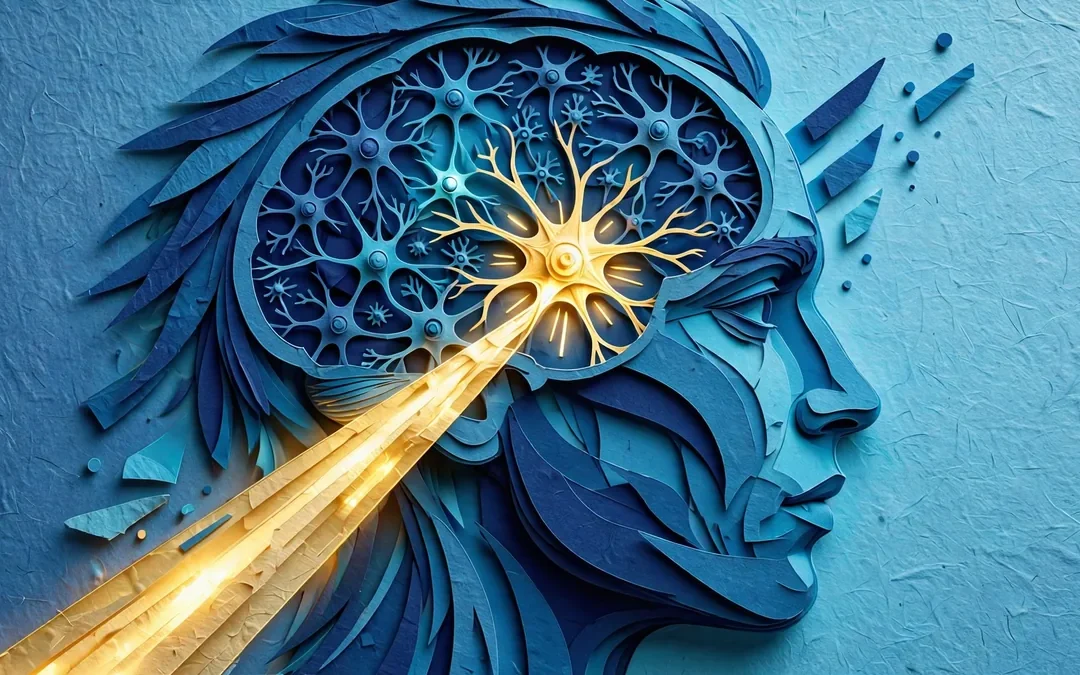
Optogenetics lets scientists switch brain cells on and off with light. It just won the 2026 Nobel Prize in Medicine. How it works.
Oct 3 | Business
Amazonia’s small businesses struggle to find affordable credit, and biodiversity-based products receive 100 times less financing than soy and cattle. What can change that?





Oct 14
Ghanaian educator Musah Fuseini on teaching Dagbani, building Wikipedia, and open resources that help speakers read and write online.
Oct 13
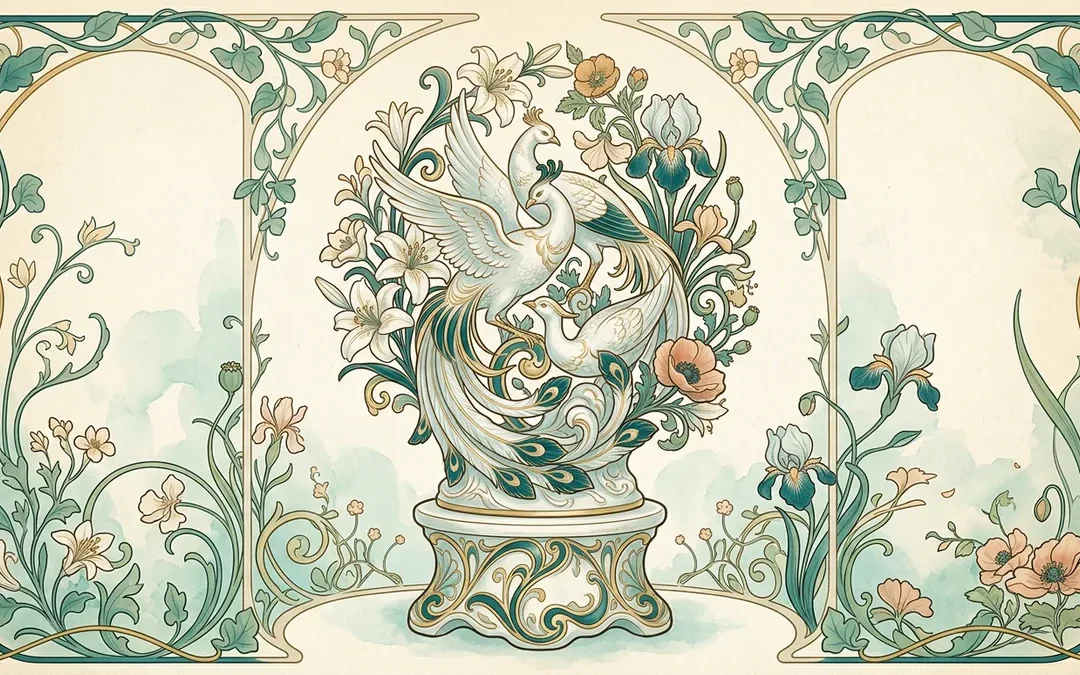
Turkish sculptor Melis Buyruk on porcelain Habitats, Rumi’s four birds, and why beauty can be a conscious position — not decoration.

Oct 13
Vitamin B12 keeps your nerves and blood healthy, yet only microbes can make it. Here is what it does, who runs low, and why it is back in the news.
Oct 12
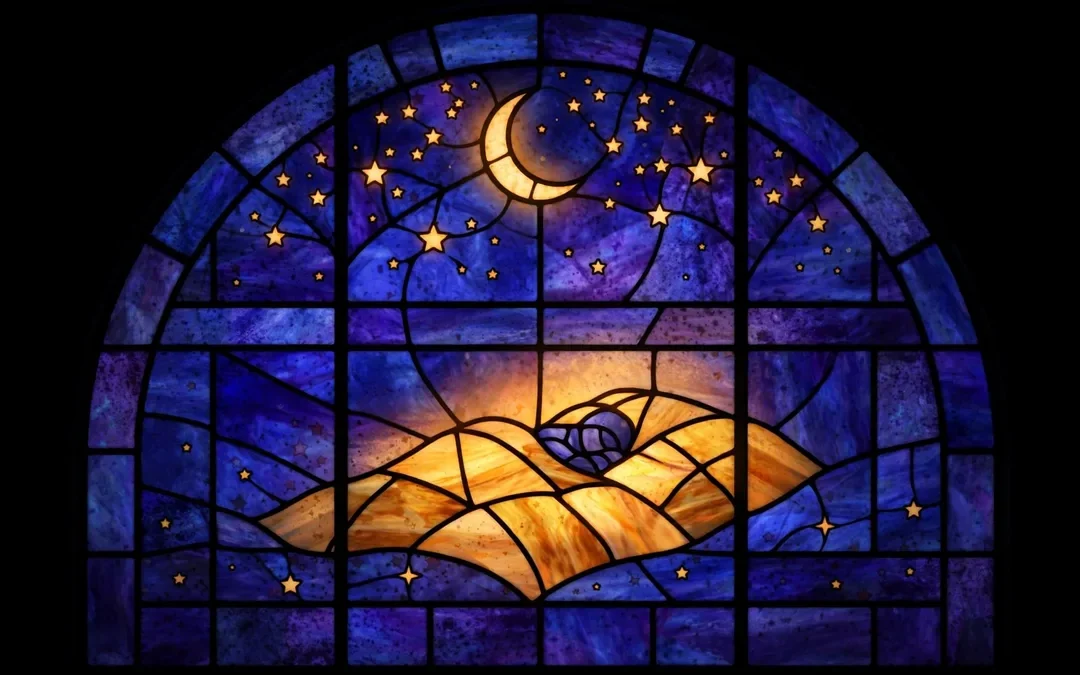
Your bedroom temperature steers how fast you fall asleep and how deep you sleep: cool rooms around 18 to 20°C beat warm ones every night.
Oct 9
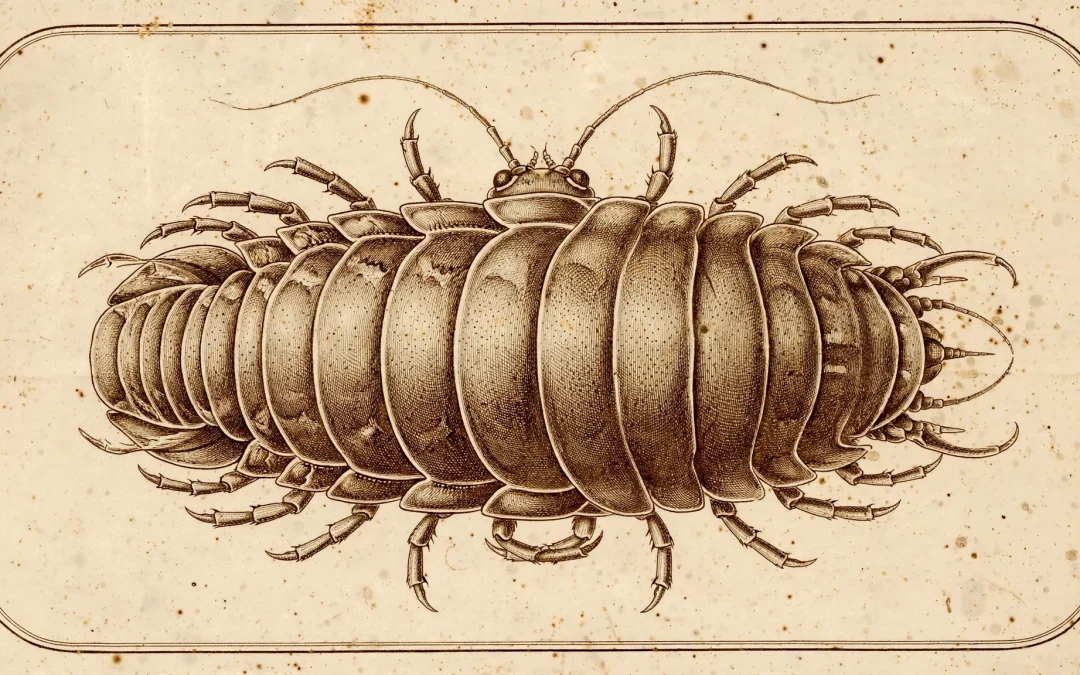
A 32-centimetre giant isopod sat unrecognized in a German museum drawer for decades. Scientists just named it Bathynomus tuebingoborikensis.

Oct 9
A 32-centimetre giant isopod sat unrecognized in a German museum drawer for decades. Scientists just named it Bathynomus tuebingoborikensis.
The page you requested could not be found. Try refining your search, or use the navigation above to locate the post.
Oct 7
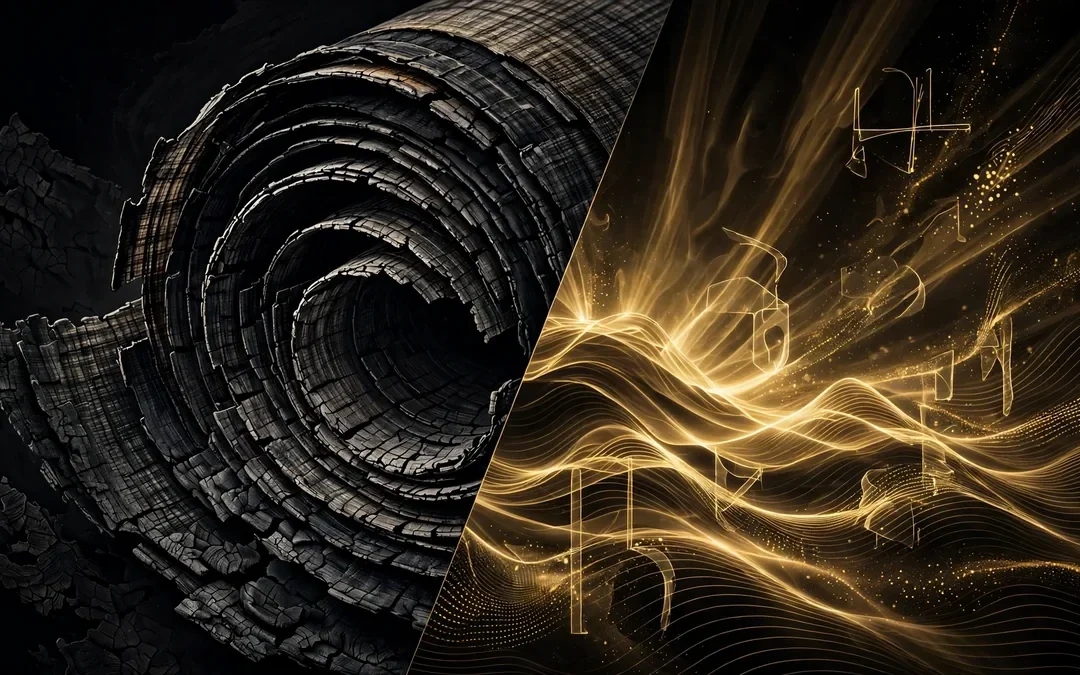
Scientists burned replica scrolls to learn how to read the real ones. The trick: lead in ancient ink, revealed by X-ray.
Oct 13
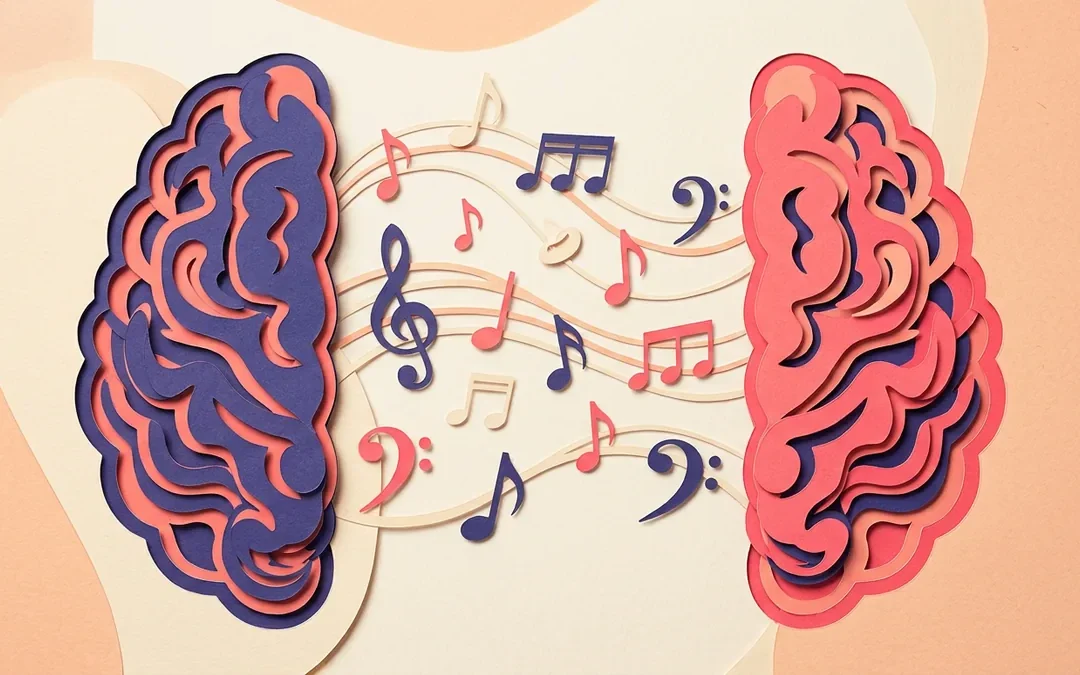
A Hong Kong study finds musicians, learners and non-musicians use different brain-side strategies when reading scores — and formal training is the factor that shifts the balance.
Spelling error report
The following text will be sent to our editors: