

An original TeaLamp essay based on the research listed below. Prepared by the TeaLamp Editorial Team with the help of AI.
Why we like being scared is a fair question to ask in the last week of October. Millions of people will pay to walk through a haunted house, queue for a roller coaster or curl up with a horror film, all to feel something that, in any other setting, we work hard to avoid. Fear is supposed to be a warning light. So why do so many of us switch it on for fun? Researchers who study “recreational fear” have some surprisingly practical answers, and they say a lot about how minds learn.
Key takeaways
- Fun fear works because we know we are safe. The body reacts as if there is danger while the thinking mind knows there is none.
- A field study at a haunted attraction found a “sweet spot”: people enjoyed it most when it was moderately scary, not too mild and not overwhelming.
- Scary stories and games may work like a rehearsal, letting us practice handling fear and uncertainty in a safe setting.
- Horror fans reported less psychological distress early in the COVID-19 pandemic, though that study shows a link, not proof of cause.
- Not everyone enjoys fear, and that is fine. The right dose is personal.
What fear does to the body
When something startles us, a fast alarm system kicks in before we have time to think. Stress hormones such as adrenaline rise, the heart speeds up, breathing quickens and muscles get ready to move. This “fight or flight” response helped our ancestors escape real threats, and it fires whether the threat is a bear or an actor jumping out of a cupboard.
The important part comes a moment later. The slower, reasoning parts of the brain check the situation and conclude, “That was a person in a mask. I am fine.” The result is a body full of energy and a mind that knows it is safe. Many people experience that mix as excitement, even joy. It is the same reason the end of a roller coaster ride often brings laughter rather than tears.
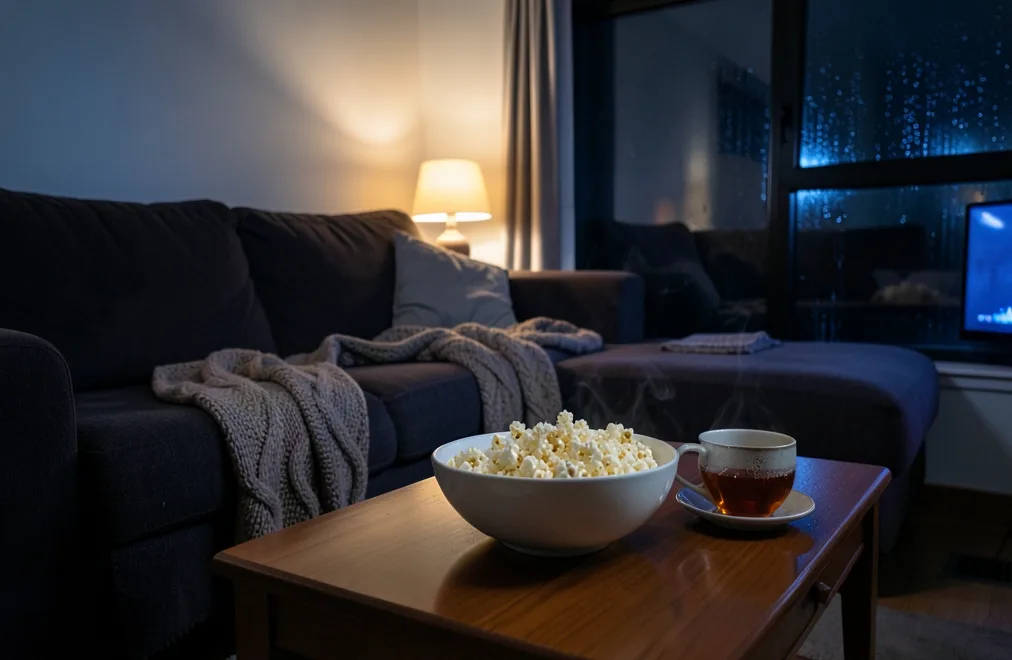
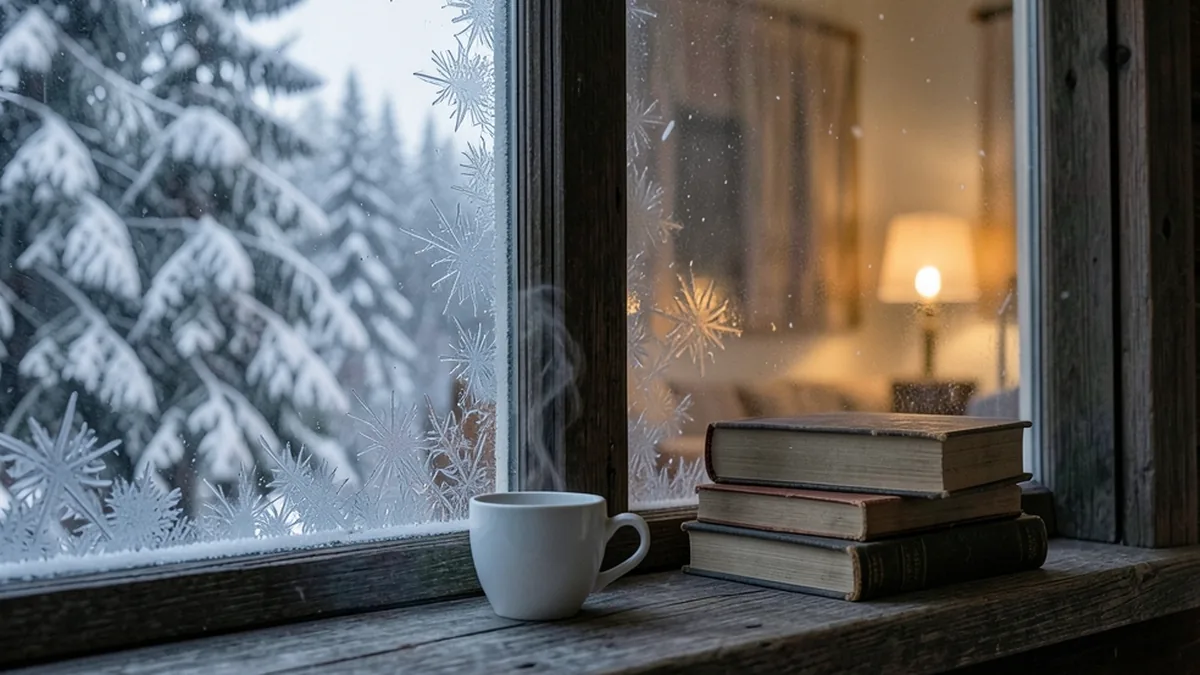
A scary film at home lets us feel fear while knowing we are safe. Image generated by AI.
The sweet spot: why we like being scared, but only a bit
One of the clearest studies of fun fear took place in an actual haunted house. In research published in Psychological Science in 2020, Marc Malmdorf Andersen, Uffe Schjoedt, Coltan Scrivner, Mathias Clasen and colleagues from Aarhus University’s Recreational Fear Lab fitted 110 visitors, aged 12 to 57, with heart rate monitors, filmed them at planned scare points and asked how scared they felt and how much they enjoyed each moment.
The pattern looked like an upside-down U. Visitors who felt barely scared did not enjoy the scares much, and neither did those who felt overwhelmed. Enjoyment peaked in between. The heart rate data told a similar story: big swings in heart rate tracked how frightened people felt, while enjoyment was linked to smaller, “just right” ups and downs. In plain terms, the best scares push us to the edge of comfort and then let us come back.
The researchers compare this to play. Children love games of chase and peekaboo that mix a little fear with a lot of fun. Recreational horror may be the adult version: a game of being chased that we can stop at any time.
Fear as practice for real life
If fun fear were only about thrills, it would be a curiosity. Many researchers think it is more useful than that. Stories, including scary ones, let us run simulations of things that could happen. What would I do if I were lost in the dark? Who would I trust? How would I keep calm? A horror film lets us try out those questions while sitting on a sofa.
A 2021 study in Personality and Individual Differences by Coltan Scrivner and colleagues tested this idea during the early months of the COVID-19 pandemic. In a survey of 310 people, horror fans reported less psychological distress than non-fans. Fans of “prepper” genres, such as zombie, alien-invasion and apocalyptic films, reported both lower distress and feeling better prepared. People high in “morbid curiosity,” an interest in dangerous or dark topics, showed greater positive resilience.
The authors are careful to say this was a correlational study. It does not prove that watching horror makes anyone more resilient. People who already handle stress well might simply be more drawn to horror. Still, it fits a growing view that controlled, voluntary encounters with fear can be a way of learning to sit with discomfort.
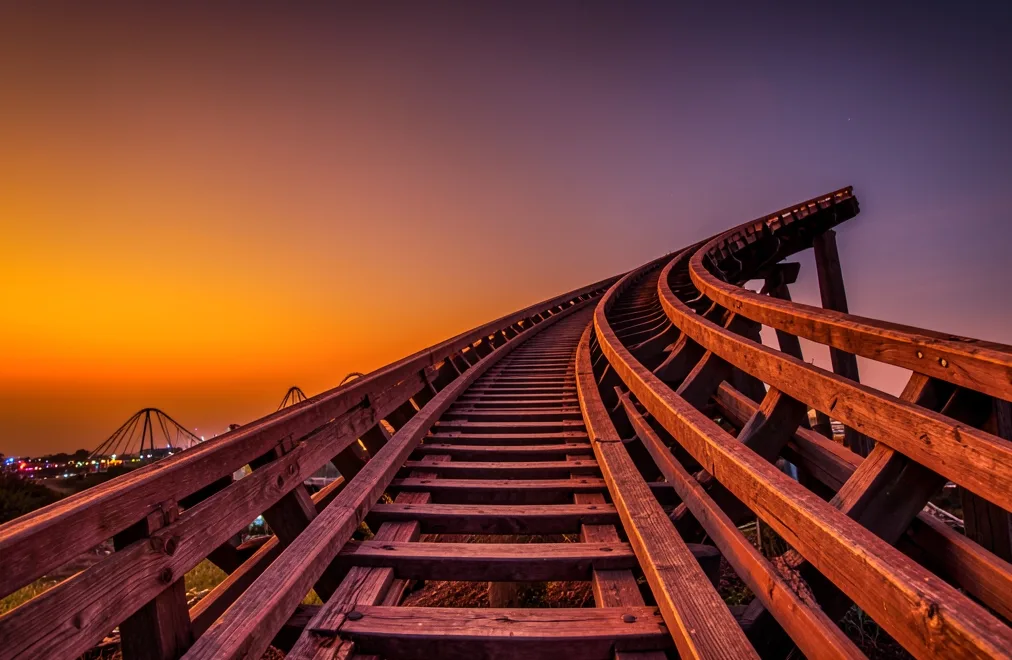
Roller coasters, like haunted houses, offer fear we can choose. Image generated by AI.
Why some people love it and others do not
Ask a group of friends about haunted houses and you will get answers from “best night of the year” to “absolutely never.” Both are normal. People differ in how strongly their bodies react to threat, how much they enjoy intense sensations and what they have lived through. Someone who has faced real danger may find simulated danger anything but fun, and that deserves respect.
The Aarhus haunted-house study also found that people who went in because they genuinely wanted to tended to enjoy it more, and that men on average reported more enjoyment while women on average reported more fear. Those are averages, not rules, and they say as much about expectations and how people describe their feelings as about biology. The useful lesson is about choice. Fun fear only works when it is chosen. Being pushed into a scary experience removes the sense of control that makes it enjoyable in the first place.
The social side of a good scare
Notice how rarely people visit a haunted house alone. Screams turn into laughter, and the story of who jumped highest gets retold for weeks. Sharing a burst of fear with others seems to bring people closer, perhaps because we see each other at our least guarded. Watching a scary film together, clutching the same cushion, can feel like a small adventure even in a living room.
There is a long cultural history behind this. People have told ghost stories around fires and carved frightening faces into turnips and pumpkins for centuries. Halloween itself grew partly out of seasonal traditions that played with fear of the dark months ahead, turning the season’s unease into something communal and even playful.
How to find your own sweet spot
If you want to enjoy a scary season without overdoing it, a few ideas follow from the research. Start mild and build up, choosing a spooky story or a gentle haunted trail before an extreme attraction. Go with people you trust, and agree in advance that anyone can stop. Pay attention to how you feel afterwards: a good scare should leave you buzzing, not shaken for days. And if fear is not your idea of fun at all, cozy autumn traditions offer plenty of comfort without a single jump scare.
Related reading: the history of the jack-o’-lantern, from carved turnips to pumpkins.
Frequently asked questions
Is it healthy to like horror movies?
For most people, yes, in moderation. Research links horror fandom with lower distress during the pandemic, but that is a correlation. If scary media leaves you anxious or sleepless, it is fine to skip it.
Why do I laugh after being scared?
Laughter often comes when the body’s alarm fires and the mind quickly realizes there is no real danger. The release of tension, and the relief of being safe, can come out as laughter.
Can children enjoy being scared?
Many do, through games of chase, mild spooky stories and dress-up. Keep it age-appropriate, let them stay in control and stop if fun turns into real distress.
Sources
- Andersen et al. (2020), Playing With Fear: A Field Study in Recreational Horror, Psychological Science (open access)
- Scrivner et al. (2021), Pandemic practice: Horror fans and morbidly curious individuals are more psychologically resilient during the COVID-19 pandemic, Personality and Individual Differences (open access)
- Recreational Fear Lab, Aarhus University
- Understanding the stress response, Harvard Health Publishing



0 Comments