

An original TeaLamp explainer based on the sources listed below. Prepared by the TeaLamp Editorial Team with the help of AI.
Walk down almost any high street and you will see the same names again and again: the same coffee cup, the same golden arches, the same hotel sign. Most of those shops are not owned by the big company whose name is over the door, but by local people who pay for the right to run a proven business under a famous brand. That arrangement is called franchising, and this is how franchising works.
Key takeaways on how franchising works
- A franchisee pays an upfront fee and ongoing royalties to run a business under a franchisor’s brand and system.
- The franchisor supplies the brand, the playbook and the support; the franchisee supplies the money, the premises and the daily work.
- In the United States, buyers get a standard 23-item disclosure document at least 14 days before signing or paying.
- Franchising covers far more than fast food: hotels, gyms, cleaning, childcare and hundreds of other trades.
- McDonald’s is the best-known example: about 95 percent of its 46,000-plus restaurants are run by independent local owners.
One brand, many owners
A franchise has two sides. The franchisor owns the brand: the name, the logo, the recipes or the service, and the tested way of running the business, written in an operations manual. The franchisee is the local owner who buys the right to use all of that in one place.
Think of it as renting a recipe and a reputation. The franchisee pays an initial fee to open, then ongoing royalties, usually a percentage of sales. In return, the franchisor provides training, marketing, supply chains and a brand customers already trust. The franchisee owns the shop, hires the staff, and keeps what is left after the fees and the bills — and carries the losses too.
That split is the whole point. The franchisor can grow to thousands of locations without building and staffing each one, and the franchisee starts with a known name and a proven system. Ray Kroc, who built McDonald’s into a global chain, called it being “in business for yourself, but not by yourself.”
Two kinds of franchise
Most of what people picture is the business format franchise: the franchisee buys the complete system — brand, menu or service, fit-out, training and the rules for running it. A McDonald’s, a gym or a hotel under a big name works this way, and every location is meant to feel the same.
The older kind is the product distribution franchise. Here the franchisee mainly sells the franchisor’s products, with much more freedom over how the shop is run. Car dealerships and soft-drink bottlers work this way.
Who pays whom, and for what
The money flows in three parts. First, the initial franchise fee, a one-off payment for the right to use the brand. A small service franchise may ask tens of thousands of dollars, while a well-known restaurant brand can ask 45,000 dollars or more for the fee alone.
Second, the royalty, an ongoing payment, usually a percentage of gross sales: in food franchises it typically runs between 4 and 8 percent. There is often a separate advertising contribution of 1 to 4 percent for national marketing. Both are charged on sales, not profit, so the franchisor is paid even in a slow month. Agreements typically run five to ten years.
Third, the franchisee pays everything else: lease, fit-out, equipment, stock, wages and working capital for the first months. All told, opening a restaurant franchise routinely costs between 200,000 and 1,000,000 dollars. The exact figure for any brand is in its disclosure, which is where a careful buyer starts.
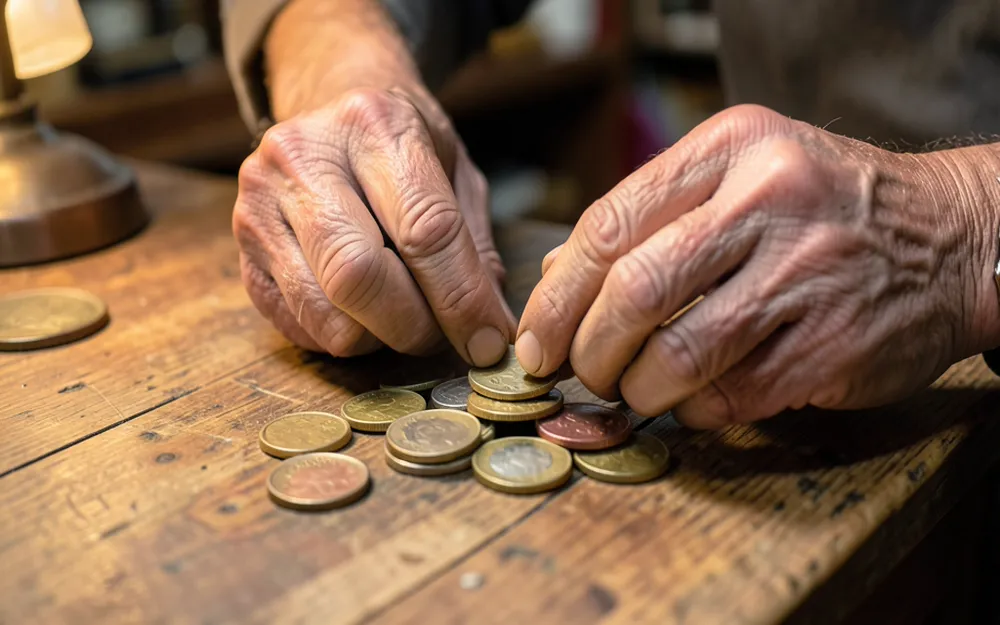
The fees come first, and they are charged on sales, not on profit. Image generated by AI.
From sewing machines to golden arches
Franchising is older than fast food. Its modern story starts in 1851, when Isaac Singer needed to sell his new sewing machine across America. He could not afford shops everywhere, and customers would not buy a machine nobody had shown them how to use. So Singer sold licences to independent sellers, each with the exclusive right to sell and demonstrate his machines in one territory. He is generally credited as the father of the modern franchise.
The idea spread slowly, then took off after the Second World War, when motorways, cars and television created customers who wanted the same product at the same price. In 1954, milkshake-mixer salesman Ray Kroc met the McDonald brothers in California and saw their fast, standardised way of cooking burgers. He became their franchising agent and opened the first McDonald’s franchise in Des Plaines, Illinois, in 1955, and by 1959 there were 102 locations. He bought the brothers out in 1961.
Kroc insisted on consistency — the same burger, the same portions, the same speed, in every town — and franchisees helped build the brand too. The Big Mac, the Filet-O-Fish and the Egg McMuffin were all invented by franchisees, not by head office. Today McDonald’s has more than 46,000 restaurants in over 100 countries, and about 95 percent are owned and operated by independent local business owners.
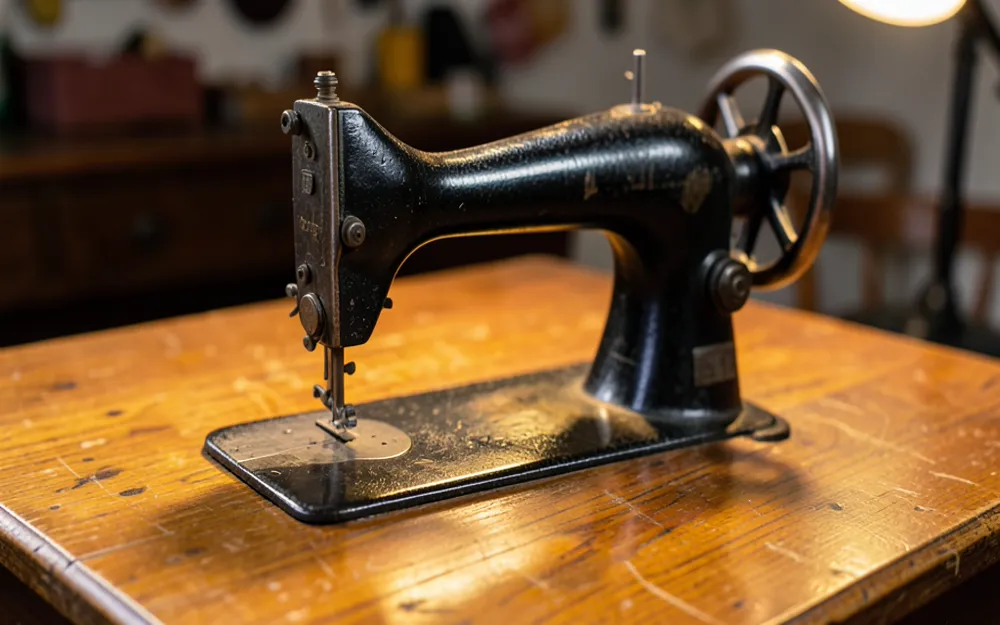
It started with a sewing machine. Image generated by AI.
The document that protects buyers
Buying a franchise is a big commitment, so the law makes the seller show its hand. In the United States, the Federal Trade Commission’s Franchise Rule requires every franchisor to give a prospective buyer a Franchise Disclosure Document, or FDD, at least 14 calendar days before the buyer signs anything or pays any money.
The FDD always has the same 23 numbered items, in the same order, so brands can be compared side by side. It covers the franchisor’s background and litigation history, every fee the buyer will owe, the estimated initial investment, the territory, the obligations on both sides, and the audited financial statements. Item 19 holds any earnings claims, and Item 20 lists how many outlets opened, closed or changed hands. If the agreement changes afterwards, the buyer gets seven more days with the revised version.
The document is a disclosure, not a guarantee. It does not promise the business will succeed, and a franchisor may not make earnings claims outside it. Several American states add their own registration rules on top. But for a buyer, the FDD is the most useful piece of paper in the process: it turns a sales pitch into numbers that can be checked.
Franchising by the numbers
Franchising is much bigger than burgers. The International Franchise Association’s 2026 outlook, prepared with FRANdata, expects American franchise establishments to grow from 832,521 to 845,000, output to rise from 907.3 billion dollars to 921.4 billion dollars, and employment to grow by more than 150,000 jobs to nearly 8.9 million. Total franchise output is estimated at 558.4 billion dollars.
Quick-service restaurants are only about a quarter of those establishments. The rest spans hotels, gyms, home services, childcare, cleaning and business services, across more than 300 categories in all. A January 2026 Oxford Economics report put franchising’s contribution to American GDP at 550 billion dollars in 2024, with about 8.8 million jobs, or 5.5 percent of the workforce.
Ownership has quietly concentrated, too. A FRANdata report found that about 19 percent of franchisees now run more than one unit, and together they control nearly 59 percent of all franchised locations. The single shop run by a single owner is still the classic picture, but the biggest franchise businesses are often small empires.
Why it matters
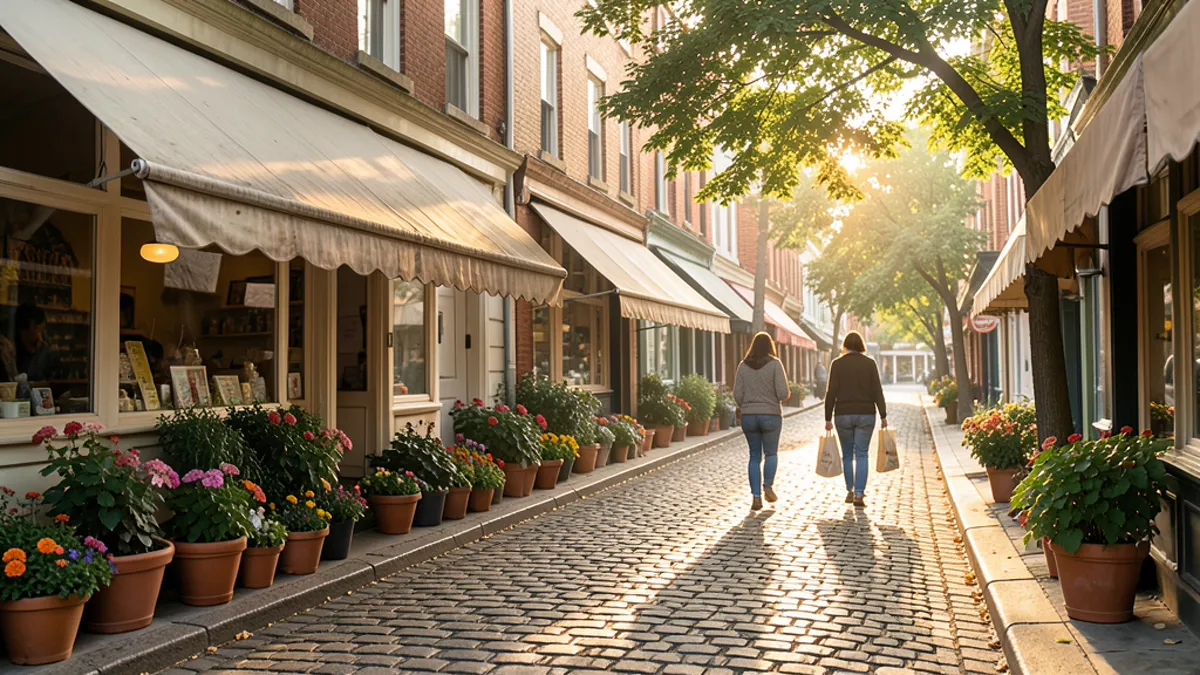
Franchising shapes the streets we walk down. The shop on the corner may carry a global name, but the person behind the counter is very often a local owner who borrowed money and took the risk. That is why the model endures: it lets a good idea travel further than one company could alone, and lets ordinary people buy into a business that works.
It also asks a fair question of anyone tempted. A franchise buys a head start, not a guarantee. The brand opens doors, the system saves mistakes, and the disclosure document shows the true cost. What it cannot do is run the shop: the royalties are due whether the month was good or bad, and the work, in the end, belongs to the owner.
For another story about ownership, read The Quiet Rise of Employee-Owned Companies.
Frequently asked questions
How much does it cost to buy a franchise?
It varies enormously. A small service franchise can start in the tens of thousands of dollars, while a restaurant franchise routinely costs between 200,000 and 1,000,000 dollars all in. The exact figure for any brand is in Item 7 of its disclosure document.
Do franchise owners keep all the profit?
No. Royalties and advertising contributions are charged on gross sales, so they come off the top before profit is worked out. The owner keeps what remains after every cost is paid, and carries the losses if the business does badly. That is the trade: the brand and the system for a permanent share of sales.
Is a franchise the same as a chain store?
No. In a chain, the company owns and runs the shops itself. In a franchise, independent local owners run them under the brand’s name and rules, paying fees for the privilege. That is why two restaurants with the same sign can have different owners.
Sources
- International Franchise Association, 2026 Franchising Economic Outlook
- McDonald’s Corporation, How We Operate
- Reidell Law Firm, Franchise Disclosure Document: The 23 Items Explained
- Elite Franchise Magazine, From Singer to Subway: The history of franchising
- Xero, What is a franchise?
- Franchise Ownership Guide 2026
- We Sell Restaurants, The Numbers Are In: Franchising Delivers Real Value









0 Comments