

A TeaLamp reading list, written in our own words. Prepared by the TeaLamp Editorial Team with the help of AI.
Long winter evenings were made for classic mystery novels. There is something deeply comforting about a locked door, a missing jewel or a puzzling death, as long as you are reading about it from a warm armchair with a cup of tea. This list gathers five classics from England, Japan and Italy, written between 1868 and 1980. Each one is a landmark of the genre, and each has a different flavour, from Victorian country houses to a snowy Japanese village and a medieval abbey.
How we chose these classic mystery novels
We looked for books that crime writers and critics still name among the best ever written, that are easy to find in English, and that each show a different side of the detective story. We kept spoilers out, so you can read every description without fear of learning the solution. Together they also make a short history of the mystery novel, from its Victorian beginnings to its playful, scholarly later years.
- Five novels from three countries and more than a century of crime writing.
- Each pick has been praised by fellow writers, critics or major awards.
- All are widely available in print, e-book and audio editions.
- No endings or culprits are revealed below.
1. The Moonstone by Wilkie Collins (1868)
A great yellow diamond, taken from a temple in India, is left to a young woman named Rachel Verinder on her eighteenth birthday. That same night it vanishes from her room in a Yorkshire country house. The famous Sergeant Cuff arrives from London, suspicion falls on almost everyone, and the mystery stretches over many months and miles.
What makes The Moonstone special is how it is told. Instead of one narrator, Collins hands the story from witness to witness, including Gabriel Betteredge, the elderly house-steward who turns to Robinson Crusoe for advice on every problem. Each voice is funny, flawed and only partly reliable. First serialised in Charles Dickens’s magazine All the Year Round in 1868, it was later praised by the poet T. S. Eliot as “the first, the longest, and the best of modern English detective novels.” It is a generous, chatty book, ideal for a whole week of evenings.
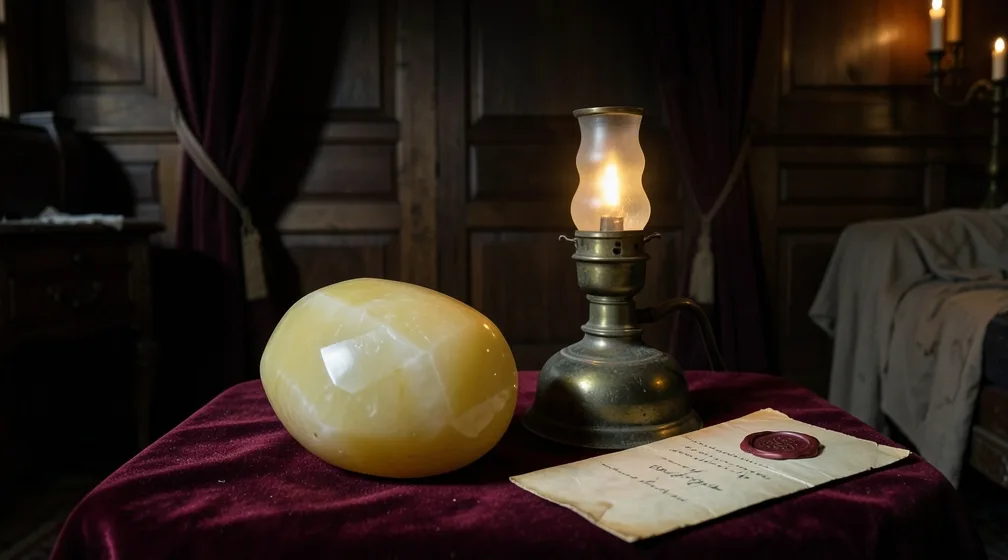
A pale yellow stone and a sealed letter: the kind of clues a Victorian mystery is built on. Image generated by AI.
2. The Murder of Roger Ackroyd by Agatha Christie (1926)
Hercule Poirot has retired to the quiet English village of King’s Abbot, where he hopes to spend his days growing vegetable marrows. Then a wealthy local man, Roger Ackroyd, is found dead in his study, and the village doctor, James Sheppard, becomes Poirot’s companion in the case. The story is told through Dr Sheppard’s eyes, full of village gossip, nosy neighbours and small, telling details.
This is the novel that made Christie famous for daring plots, and it is still debated by readers nearly a century later. In 2013, members of the Crime Writers’ Association voted it the best crime novel ever written. Our only advice: avoid online discussions until you have finished, because its ending is one of the most famous surprises in fiction. It is short, brisk and perfect for a single snowy weekend.
3. The Honjin Murders by Seishi Yokomizo (1946)
In the winter of 1937, a village in rural Okayama is excited about a wedding in the old and proud Ichiyanagi family. On the wedding night, a scream and the eerie notes of a koto, a Japanese stringed instrument, wake the household. The newlyweds are found dead in a locked annexe, and a sword is discovered standing in the garden, surrounded by fresh snow with no footprints at all. A scruffy young amateur detective, Kosuke Kindaichi, is called in.
Yokomizo admired Western puzzle writers such as John Dickson Carr, and the novel is a loving, clever take on the locked-room mystery. It won the first Mystery Writers of Japan Award in 1948, and Kindaichi went on to appear in dozens more books. Remarkably, English readers had to wait until 2019 for Louise Heal Kawai’s translation from Pushkin Vertigo. It is short and atmospheric, with lyrical scenes of snow and old wooden houses, though readers should know the crime itself is described vividly.
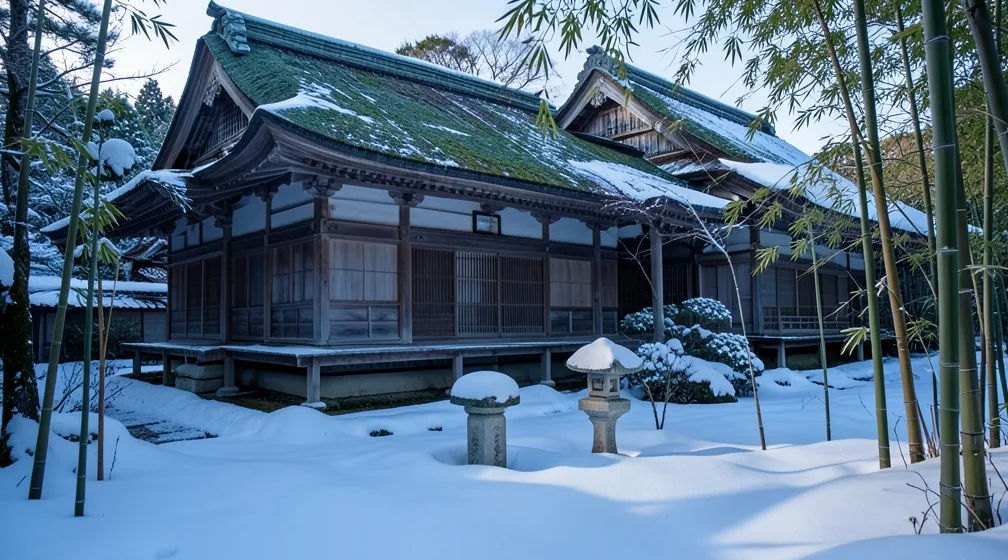
Fresh snow around an old Japanese house, the setting for a famous locked-room puzzle. Image generated by AI.
4. The Daughter of Time by Josephine Tey (1951)
Inspector Alan Grant of Scotland Yard is stuck in a hospital bed with a broken leg and bored out of his mind. A friend brings him a bundle of historical portraits to study, and one face catches his attention: King Richard III, famous in history and in Shakespeare as the villain who had his young nephews, the Princes in the Tower, murdered. To Grant, the face does not look like a murderer’s, so he decides to investigate a crime more than four hundred years old.
With the help of a young American researcher who visits the British Museum, Grant works through old chronicles and documents without ever leaving his bed. The result is an unusual and gripping mystery about how history gets written and repeated. In 1990 the Crime Writers’ Association placed it at number one in its list of the top 100 crime novels of all time. Historians still disagree about Richard III, so treat the book as a thought-provoking argument rather than the final word, and enjoy the detective work.
5. The Name of the Rose by Umberto Eco (1980)
In 1327, the learned Franciscan friar William of Baskerville and his young novice, Adso of Melk, arrive at a wealthy Benedictine abbey in northern Italy for an important church meeting. Soon monks begin to die in strange ways, and the clues lead again and again to the abbey’s vast library, a maze that only a few are allowed to enter. William, whose name is a gentle nod to Sherlock Holmes, uses careful observation and logic to search for the truth.
Umberto Eco was a professor of semiotics, the study of signs and meaning, and his first novel is both a page-turning murder mystery and a rich portrait of medieval life, faith and ideas. It won Italy’s Strega Prize in 1981 and reached English readers in William Weaver’s 1983 translation, going on to sell tens of millions of copies worldwide. Some passages on theology are long, but you can skim them on a first reading and still enjoy the snowy, candlelit puzzle at the heart of the book.
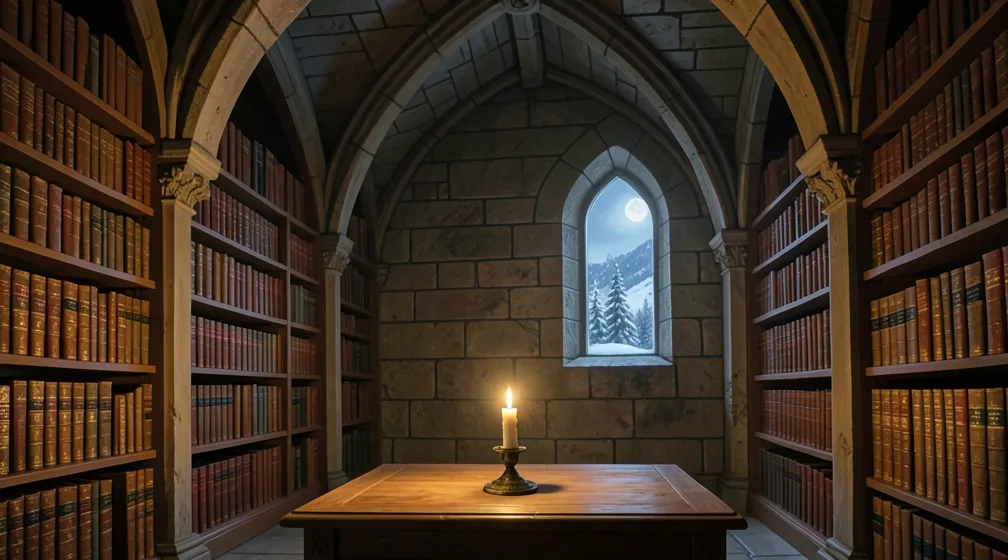
A candlelit monastery library, the heart of Umberto Eco’s medieval mystery. Image generated by AI.
Tips for reading mysteries on winter nights
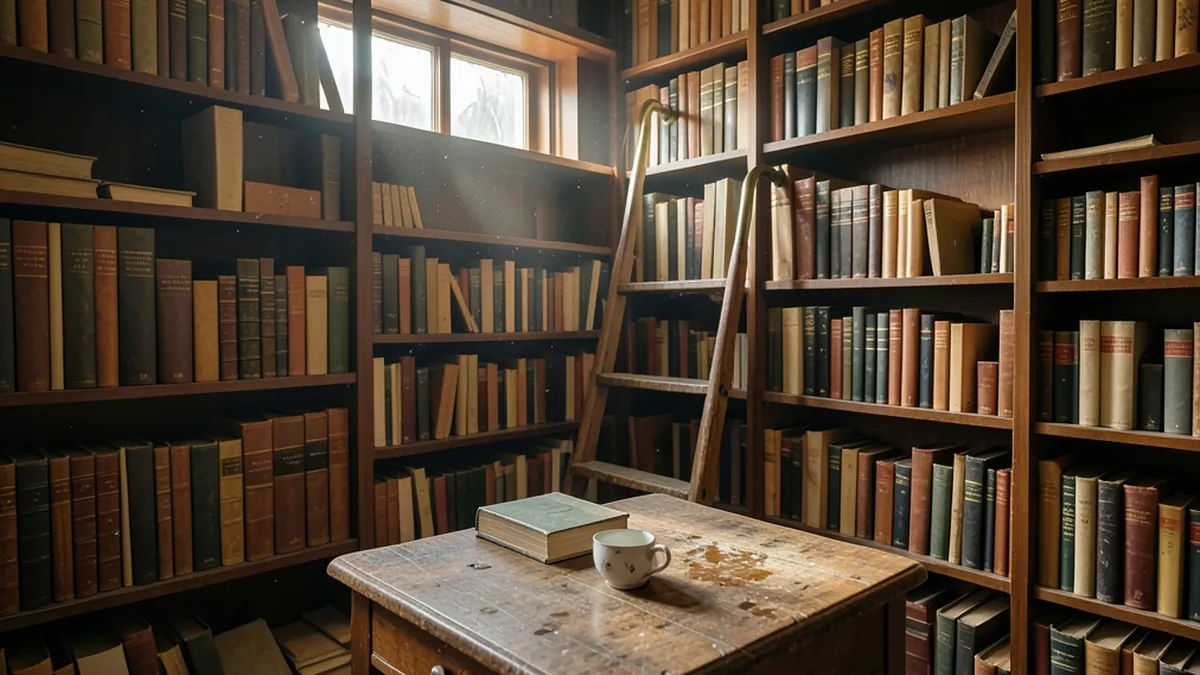
Classic mysteries reward a slower pace. Keep a small notebook nearby and jot down suspects and clues; it is a fun way to test yourself against the detective. If you are new to the genre, start with Christie for speed, then try Tey or Yokomizo for something shorter but different. Save The Moonstone and The Name of the Rose for longer holidays, when you can read a few chapters each night with a pot of tea and a blanket.
Why it matters
Classic mystery novels matter because they invite us to think carefully, notice small details and question easy answers. These five books show how the detective story has travelled across countries and centuries while keeping the same simple pleasure at its core: a puzzle, a curious mind and the slow satisfaction of the truth coming to light.
Related reading
If you would like more short classics with a touch of mystery, our list of five short classics for a quiet weekend includes Arthur Conan Doyle’s Sherlock Holmes stories. For something spookier, try our Dracula summary.
Frequently asked questions
Which of these mystery novels should I read first?
The Murder of Roger Ackroyd is the quickest and easiest place to start. It is short, lively and gives a perfect taste of the Golden Age of detective fiction.
What is a locked-room mystery?
It is a puzzle in which a crime seems impossible, usually because it happens in a sealed room or space that no one could have entered or left. The Honjin Murders is a classic example.
Are these books suitable for teenagers?
Most older teens will enjoy them. They involve crimes and deaths, but none is graphic in the manner of modern thrillers, though The Honjin Murders describes its crime scene more vividly than the others.
Sources
- The New Yorker: What makes great detective fiction, according to T. S. Eliot
- The Guardian: Agatha Christie wins vote as crime writers’ favourite crime writer (2013)
- The Guardian: How locked-room mystery king Seishi Yokomizo broke into English at last
- The Mystery Writers of Japan: Awards
- Folger Shakespeare Library: The Daughter of Time by Josephine Tey
- Kirkus Reviews: Umberto Eco’s The Name of the Rose turns 40
- Wikipedia: The Name of the Rose






0 Comments